Apple is preparing one of the broadest reworkings of its Mac lineup in years, a multi-year effort that will touch nearly every model — the MacBook Pro, MacBook Air, iMac, Mac mini and Mac Studio — and stretch from late this year into 2028, according to Bloomberg.
The stakes go beyond faster chips. The report describes a plan built around two shifts: moving more Macs to OLED displays and adding touchscreens to the high end. If it holds, it would mark the biggest change to how the Mac looks and feels in a decade.
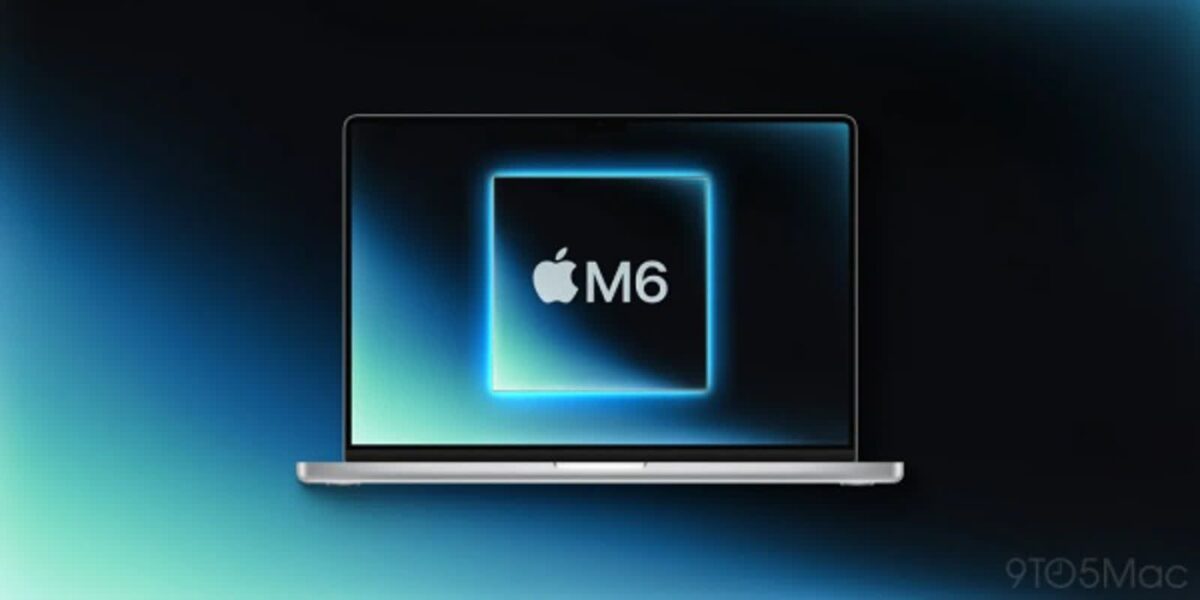
The first wave is expected by year-end. Apple is readying a budget MacBook Pro powered by the M6 chip and a new iMac. Alongside them, the company is preparing high-end 14-inch and 16-inch MacBook Pro models built around the M5 Pro and M5 Max. Those premium laptops are the ones said to carry touchscreens and OLED panels, with a launch window between late this year and early 2027.
There is a software signal pointing the same way. Apple is reportedly testing the high-end MacBook Pros on macOS 27.1, a release that could be unveiled in late October. That suggests the year-end lineup is not just a chip bump but a change in display technology and product mix.
The roadmap then pushes well into the future. Apple plans to refresh the MacBook Air in early 2027. The same year, it is expected to introduce a redesigned budget MacBook Pro powered by the M7 chip. A new model is also in development: the MacBook Neo, built around the A19 Pro chip, which Apple is reportedly considering giving periodic color updates.
The desktops are changing too. Apple is testing new Mac mini models with the M5 Pro and a base M6 processor, and new Mac Studio versions based on the M5 Max and M5 Ultra.
But the timing is not locked. Release dates and the exact chip and memory configurations hinge on the availability of memory chips, according to the report, and Apple has cautioned that schedules and specifications could move with supply-chain conditions.
Further out, OLED is the throughline. Apple aims to launch an OLED MacBook Air as early as 2028, with an OLED iMac in development to follow. Given how little OLED appears in the Mac lineup today, the push signals an intent to spread the display technology across both laptops and desktops.
Two questions will decide how the story plays out. The first is whether the high-end MacBook Pro due later this year actually ships with the rumored OLED-and-touchscreen combination. The second is how tight memory supply reshapes the timing for the Mac mini and Mac Studio. As the overhaul unfolds, the intervals between launches — and how Apple divides its chips among the models — will be the tells to watch.