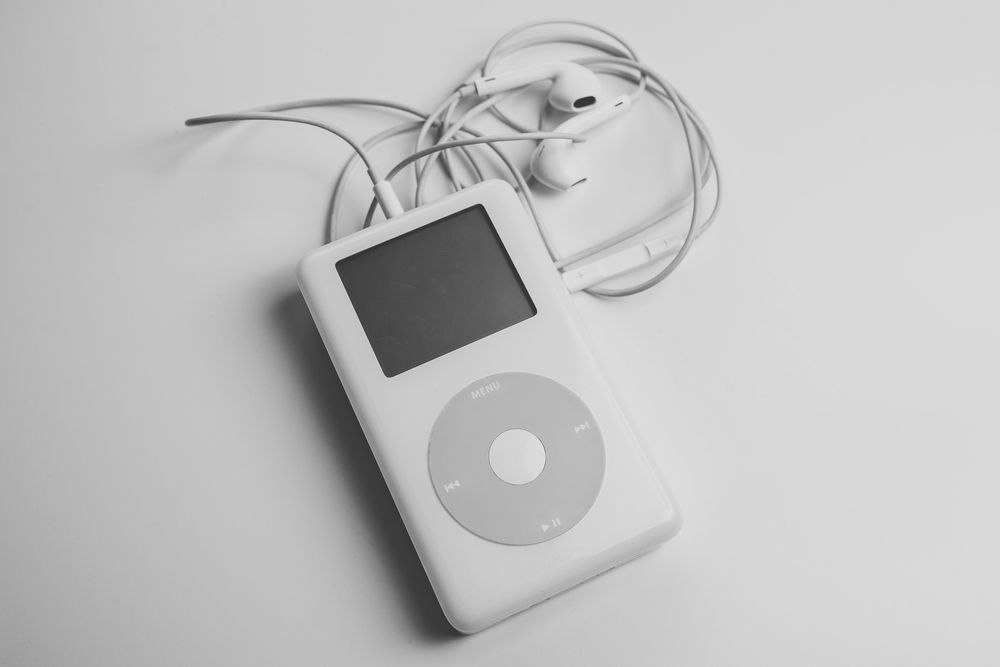
If you grew up before Spotify and Apple Music, you probably remember when listening to music required some planning. You carried cassettes, packed CDs into zippered cases, and decided which albums deserved space in your bag. Those of us born in the 70s and 80s used several generations of music devices, but the iPod changed the experience more than any of them. It placed much of your personal collection inside one small device and made every song immediately accessible.
Apple discontinued the iPod in 2022 after more than 20 years. By then, its white earbuds, silhouette advertisements and Click Wheel had become permanent images of the 2000s. As Apple celebrates its 50th anniversary, the iPod deserves another look because it changed how you bought, organized and carried music. It also helped establish the foundation for the iPhone.
Before 1,000 Songs Fit in Your Pocket
Portable digital music players existed before the iPod. During the late 1990s, many early MP3 players included only 32MB or 64MB of storage, which usually held one or two albums. MP3 compression reduced file sizes by removing some audio information, allowing more songs to fit into limited memory. The format offered convenience, though heavier compression could reduce sound quality.
Napster, Kazaa and other peer-to-peer networks accelerated the move away from CDs. Music became something you could download, rename and arrange into folders. Creative Labs, Samsung and other manufacturers released their own players, but limited storage, awkward controls and slow transfers often made them frustrating to use.
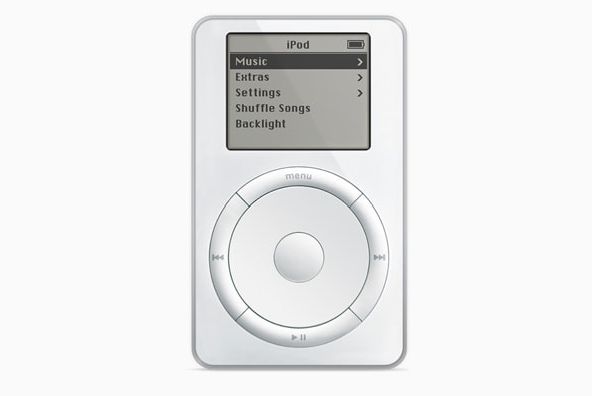
Apple entered the market on October 23, 2001. Steve Jobs introduced the first iPod with a 5GB hard drive, up to 10 hours of battery life and space for about 1,000 songs. It weighed 6.5 ounces and cost $399. The first model also worked only with Macs.
“With iPod, listening to music will never be the same again,” Jobs said during the launch. The phrase “1,000 songs in your pocket” now sounds modest when your phone can access tens of millions of tracks. In 2001, it represented a major shift. A portable CD player gave you one album unless you carried extra discs. A cassette case held more music, but it occupied valuable space. The iPod allowed you to carry a large portion of your collection without deciding what to leave at home.
You still had to create that collection yourself. Ripping meant copying audio from a CD and converting it into digital files on your computer. You inserted each disc, selected the tracks and waited for iTunes to process them. You also had to correct album names, song titles and artwork when the software identified something incorrectly. The process took time, but it gave your library a personal structure. Every album, playlist and track reflected a decision you had made.
How the iPod Became Bigger Than the Mac
Apple expanded the iPod beyond its Mac audience in 2002 by adding Windows compatibility. The company also increased storage, lowered the entry price, and introduced a touch-sensitive control wheel. Windows support gave millions of PC users access to the device and helped turn the iPod into a mainstream product.
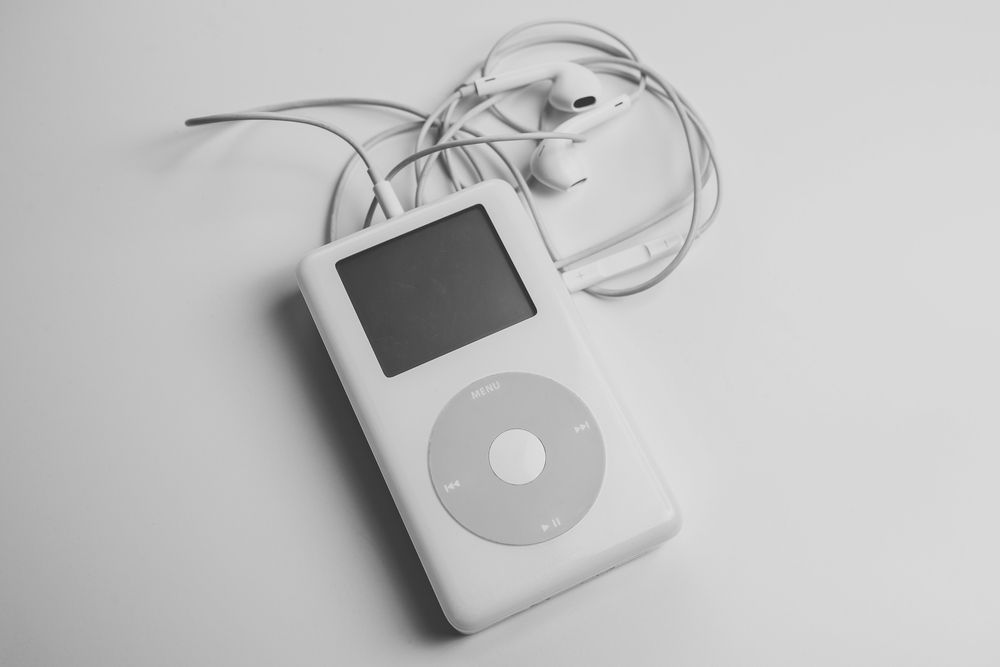
The hardware continued to evolve as well. The iPod mini introduced the Click Wheel in 2004, combining touch-sensitive scrolling with physical buttons. Apple later released the smaller iPod shuffle, the flash-based iPod nano and models with color screens, photo storage and video playback. Flash storage uses memory chips rather than a spinning hard drive. It allowed Apple to make the iPod smaller, lighter and more resistant to movement. That was especially useful if you listened while walking, commuting or exercising.
The second major part of Apple’s strategy arrived in April 2003 with the iTunes Music Store. It opened with more than 200,000 songs from the five major record companies, each available for 99 cents. You could finally buy one track legally without paying $15 or more for an entire album. Apple encoded the songs in AAC at 128 kilobits per second. Bitrate measures how much audio data a file uses each second. Higher bitrates generally create larger files and can preserve more sound detail. The store also used digital rights management, or DRM. This software controlled which computers and devices could play a purchased track. The restrictions could be inconvenient, but Apple offered customers a simple legal alternative to unauthorized file sharing.
By December 2003, users had purchased more than 25 million songs through iTunes. In 2007, Apple sold its 100 millionth iPod.
The iPod also changed how you organized music. You could create playlists for commuting, studying, exercising, or relaxing. Shuffle mode mixed albums and artists in ways traditional radio rarely did. Your listening habits became more flexible, while the collection still felt like something you owned.
The device soon reached beyond headphones. BMW introduced the first integrated in-car iPod connection in 2004, allowing drivers to control the device through the stereo and steering-wheel buttons. Other automakers followed, replacing cassette adapters and trunk-mounted CD changers with direct connections.
An entire accessories market grew alongside the iPod. Companies sold cases, replacement earbuds, alarm clocks, chargers and speaker docks. Bose’s SoundDock became one of the best-known examples, while JBL, Logitech and other brands offered lower-priced alternatives.
For many users, the device became more personal than a home stereo. Your playlists, play counts and favorite albums formed a record of what you listened to at a particular age.
Streaming Won, but the iPod Left Something Behind
The product that eventually replaced the iPod came from Apple itself. When Jobs introduced the iPhone in 2007, Apple described it partly as a widescreen iPod with touch controls. It played the same music and videos while adding calls, messaging, and internet access.
Early iPhones lacked the storage capacity of the largest hard-drive iPods, so many people continued carrying both devices. Over time, phone storage increased, and Bluetooth speakers became cheaper and better. Carrying a separate music player became harder to justify.
Streaming services completed the transition. Spotify launched in the United States in 2011, allowing subscribers to access large music catalogs without purchasing individual songs or ripping CDs. Apple introduced Apple Music in 2015 with more than 30 million songs and a monthly subscription price of $9.99. So, streaming removed much of the work associated with maintaining a music library. You no longer had to correct metadata, manage storage or choose which tracks to carry. You could also move between your phone, computer and smart speaker without manually copying files.
That convenience came with a trade-off. A streaming service can remove a song, replace an album version or lose distribution rights. Your playlists may remain visible even when some of the music inside them disappears. The collection feels available, though it no longer fully belongs to you.
A dedicated iPod also gave you something a smartphone rarely provides: uninterrupted listening. It did not display work messages, social media alerts or news notifications. You selected an album, placed the device in your pocket and listened.
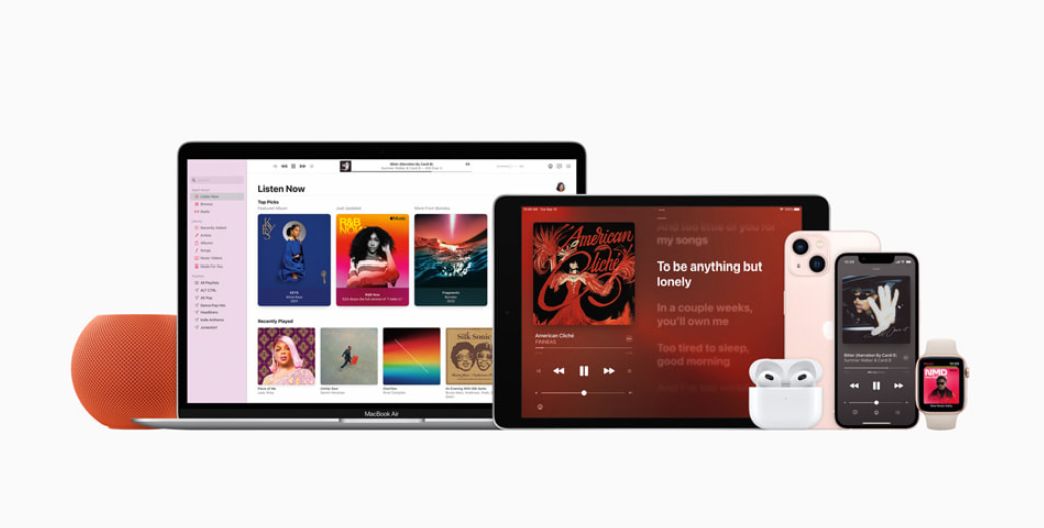
Apple stopped selling the final iPod touch in 2022. Greg Joswiak, Apple’s senior vice president of worldwide marketing, said, “Today, the spirit of iPod lives on.” He was referring to the iPhone, Apple Watch, AirPods and Apple Music, which absorbed nearly every function the iPod once performed. The listening experience changed, however. The iPod belonged to a period when digital music remained a collection rather than an ongoing service.
Today, a lot of us find that a device built to do less offers something our phones struggle to provide: uninterrupted time with music we deliberately choose.